
Landmark Clean-p Gives Former Margate Chemical Site Green Light for Redevelopment
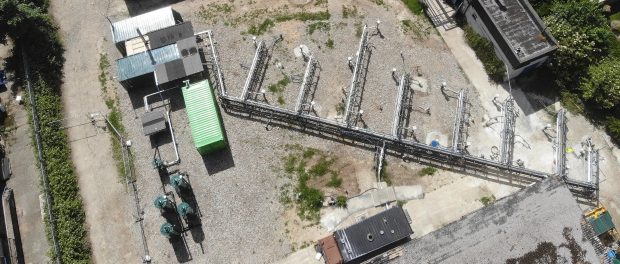
An intensive soil and groundwater remediation programme at a former chemical manufacturing facility has reduced contamination by 99%, paving the way for the site to be redeveloped and brought back into use.
The site, owned by Thor Group, was home to a chemical production facility from 1973 to 2005, when it ceased manufacturing. Since then, Thor Group carried out voluntary remediation on the site, designed and implemented by RSK Group company Ecologia.
Ecologia Project Manager Lucy Allen said: “A site-specific remediation strategy followed by a close monitoring regime confirmed more than 99% reduction in contamination from the 2020–2021 baseline. Biodegradation of residual contaminant in groundwater was also significantly accelerated following thermal treatment, resolving a long-standing contamination challenge.
“With this information, the permit for the site was successfully surrendered to the Environment Agency, formally confirming that contamination risks have been reduced to acceptable levels. This decision opens the door for the brownfield land to be redeveloped for commercial and/or residential use.”
She explained that the remediation was carried out in two main stages. During the first remediation stage from 2005 to 2018, traditional in situ techniques were used, such as long-term pump-and-treat methods for the groundwater. This significantly reduced contaminant levels across the site and provided key information for the second, more targeted phase to address both soil and groundwater contamination, which began in 2020 following extensive monitoring.
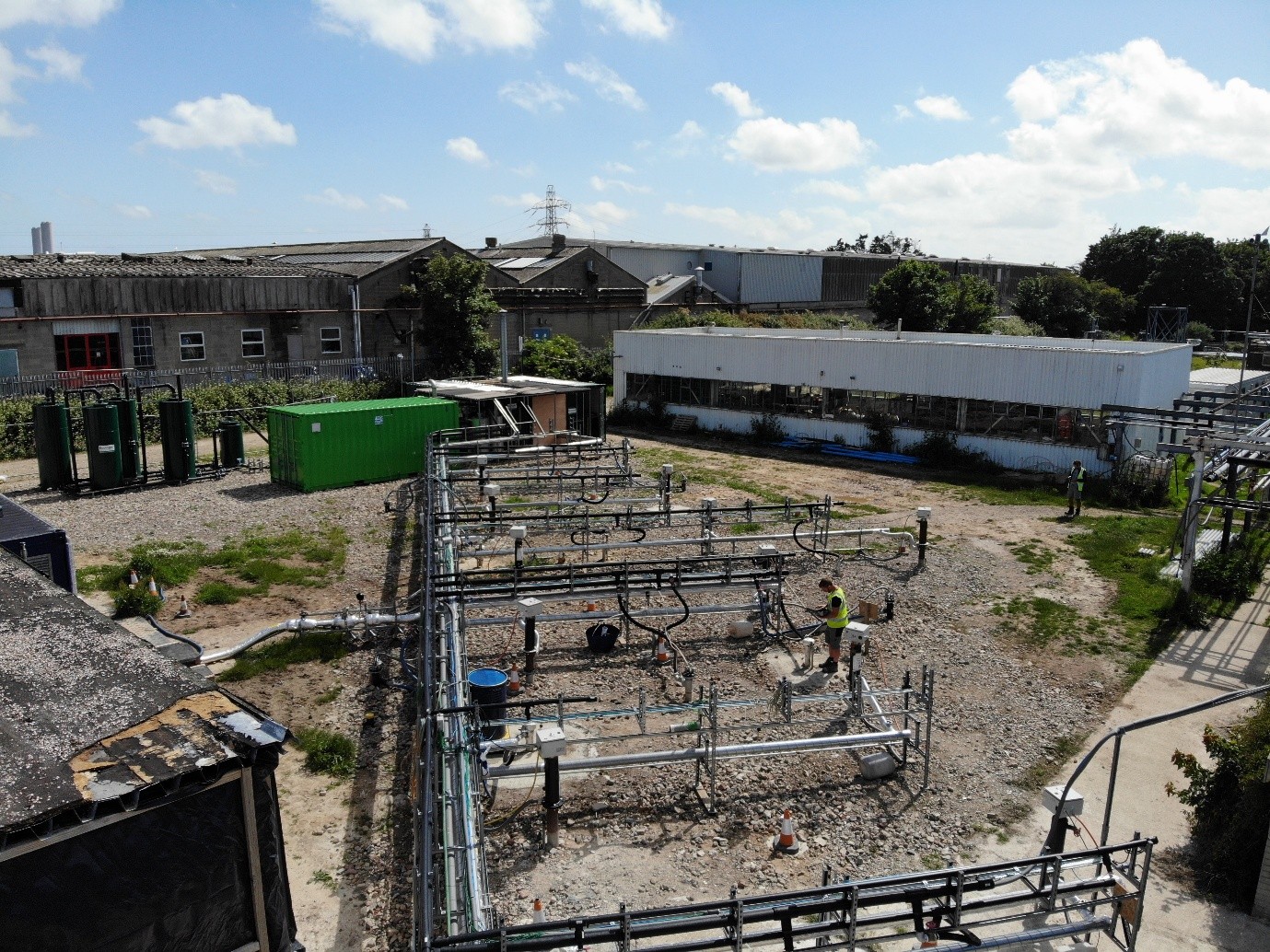
Dr Giacomo Maini, Ecologia Managing Director, said: “During 2020–2021, cone penetration testing and further intrusive ground investigations enhanced our contaminant modelling and improved the site model. We identified the remaining contaminant sources in the unsaturated soil and groundwater and then designed a targeted system to tackle these contaminants and meet the permit requirements that would satisfy the conditions for redevelopment of the site.
“The second phase began in 2023, using in situ thermal treatment to target residual sources in the ground. Steam injection – pumping steam into the ground through lances – heated and mobilised the contaminants in the aquifer, which were removed through soil vapour and groundwater extraction. Hydraulic control measures prevented the contaminants from migrating off-site from the treatment area.
“Contamination in shallow hotspots in the soil was excavated and the hotspots were capped with a low-permeability system to minimise rainfall infiltration and to prevent future leaching, providing long-term protection for both future site users and the underlying aquifer.”
Giacomo added that the temperature, pressure, vapour and groundwater data were monitored continuously, allowing optimisation of steam and energy input and ensuring that the target treatment volumes reached the required thermal conditions.
As a final post-thermal-remediation step to encourage residual bioremediation in the aquifer, air sparging – the injection of pressurised air into the subsurface soils and groundwater – was used to create a predominantly aerobic environment, thus naturally enhancing microbial degradation.
To ensure that the remediation was successful, monitoring was carried out for 24 months.
Giacomo said: “Groundwater was monitored through boreholes both on the site and nearby for about 2 years, with samples analysed by an accredited laboratory. Additional drilling works and geophysical logging – lowering specialised instruments into a borehole to measure the physical and chemical properties of the surrounding rock and fluids – were also carried out as part of the rebound monitoring to obtain more detailed information and to validate the predictive modelling analysis.
“The evidence shows a reduction in contaminants of more than 99% in soils compared with the 2020–2021 baseline, with no contaminant compounds detected within groundwater in off-site boreholes during the 2-year period. Conservative modelling over a 30-year timescale suggests that residual concentrations in groundwater are not considered to be a risk to the surrounding aquifer and that further active remediation is unnecessary. This satisfied the Environment Agency expectations, allowing the site permit to be surrendered by Thor Group.”
The group is now considering divesting the site for future development.
A Thor Group spokesperson said: “The Margate facility has officially moved from decades of active management to a sustainable, defensible end-state where controlled waters and human health are protected. The outcome following the permit surrender is a brownfield site that can be redeveloped, bringing benefits to the local area such as new jobs and improved environmental conditions.”
Leave a comment