
Britain’s Rush To Convert Empty Offices Risks Leaving SMEs With Nowhere To Grow

Britain Does Not Have An Empty-Shop Problem, It Has A Commercial Property Mismatch
Moving Compared warns that indiscriminate conversions could remove the affordable premises needed by start-ups and growing businesses
Six Property Risks SMEs Should Examine Before Committing To Premises
1. The current use may not be legally established
A building being occupied as an office, restaurant, salon or workshop does not prove that the activity has the correct planning status. Before purchasing or entering into a long-term commitment, businesses should establish whether the use is authorised and whether any earlier permissions carry restrictions.
2. Permitted development rights are not universal
Some buildings retain valuable rights to change use or undertake works without a full planning application. Others sit within areas where local authorities have removed those rights through an Article 4 direction to protect commercial centres or employment space. A property promoted as having residential conversion potential may therefore require a full planning application, materially altering its prospective value and development timetable.
3. Historic conditions can constrain the business model
Earlier planning decisions may regulate opening hours, deliveries, signage, noise, ventilation or the type of activity permitted on site. These conditions can affect whether a business is able to trade at commercially viable times, install necessary equipment or operate the logistics required by its customers. The issue is particularly important for hospitality, leisure, light-industrial and consumer-facing businesses.
4. Planning consent does not override the title or lease
A proposed use may be acceptable under planning law but prohibited by a restrictive covenant, landlord condition or estate-management rule. Moving Compared’s conveyancing guides explain the broader checks involved in a property transaction and the importance of understanding what is included before instructing a professional.
5. Residential conversion can create new operational conflicts
The future of neighbouring units can be as significant as the premises being acquired. A commercial operator receiving early deliveries, generating noise or trading into the evening may face increased complaints if adjoining buildings later become homes.
6. Unproven development potential should not inflate the price
Commercial properties are frequently marketed with the suggestion that they could later become housing. However, Class MA remains subject to prior approval, and factors including transport, contamination, flooding, noise and natural light can affect whether a proposal proceeds. SMEs and property investors should be wary of paying a residential-development premium until the planning position, title and physical suitability of the building have been properly examined.
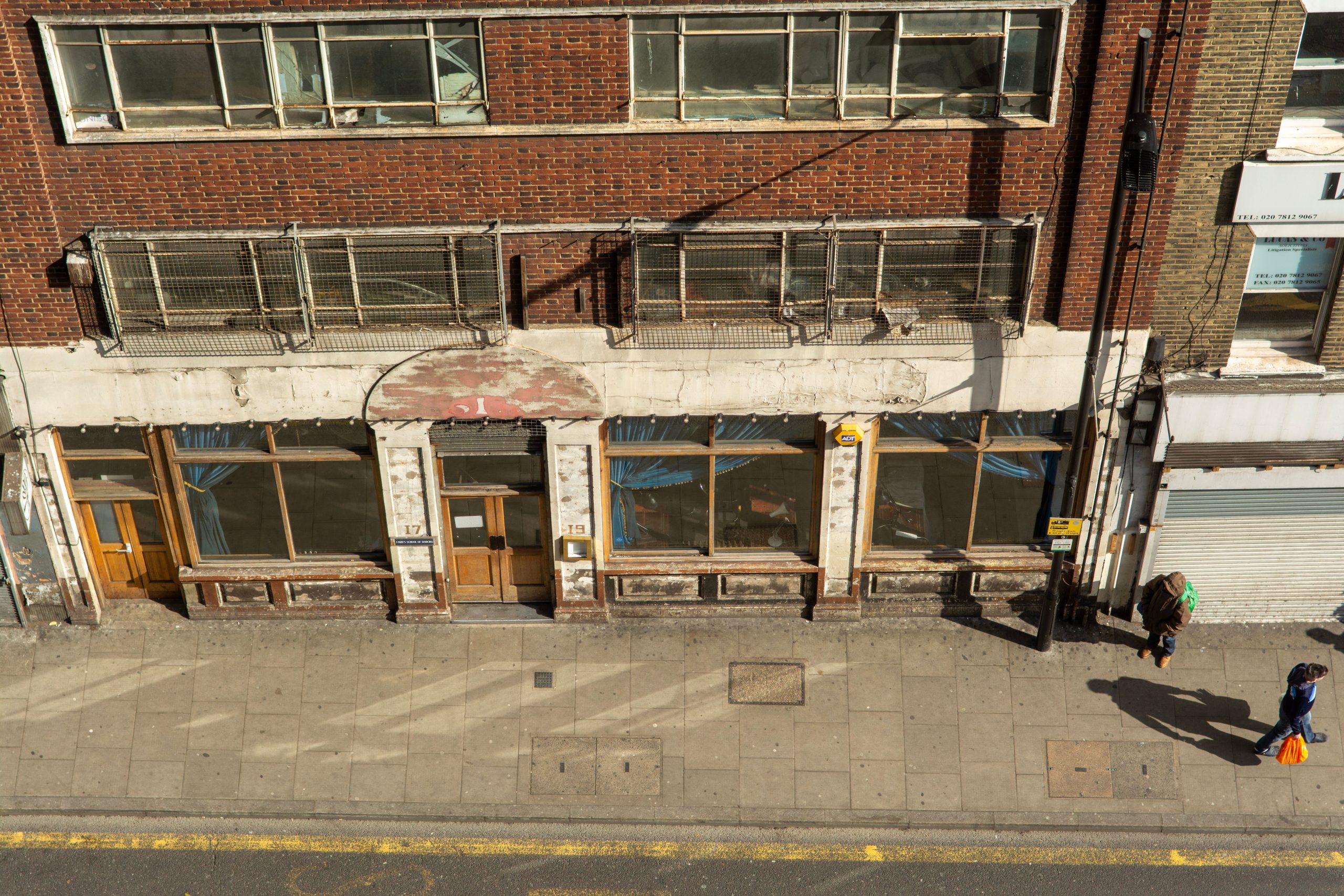
For businesses acquiring property, early legal scrutiny can expose restrictions before they become expensive operational problems. Buyers can use Moving Compared to compare conveyancing quotes and review its guidance on choosing between a property solicitor and conveyancer before deciding which professional is appropriate for the complexity of their transaction.